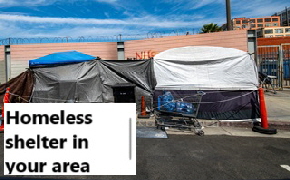
Homeless shelters in local communities including near you.
Find a homeless shelter that may be near where you live. There are charities, churches, non-profits and government affiliated organizations that provide a free place to stay. The locations will offer emergency overnight housing to the unhoused, including in the cold or hot weather, in almost every city, county, town, and community. Locate a homeless shelter to stay in your local area.
Local shelters will give people, teens (or even families) a free, safe place to go to sleep for a night or more as well as provide basic needs. There are homeless shelters for women, men, veterans, as well as people who need to get out of the cold or that need a place to cool down during a summer heat wave. The shelters not only help people who are going through a hardship but they also provide the “unhoused” (who just can’t afford a place to live) a place to stay. Many churches also will give immigrants, migrants and asylum seekers emergency shelter.
Emergency homeless shelter programs for unhoused families or individuals
The goal of a charity or non-profit that operates a homeless shelter is to provide people both a safe place to stay tonight as well as help them access mid-to-long term social services, such as information on rapid rehousing, budgeting, legal, and other resources. Some organizations, such as Salvation Army or Catholic Charities, may also provide emergency motel or hotel vouchers in partnership with the government as part of case management.
The service from a homeless shelter is combined with other temporary housing. The overall goal of most programs is long term stability. Therefore they often operate transitional housing or apartments for people as the homeless person (or family) starts to move onto a path of more stable living arrangements. Or they provide free vouchers for the homeless to move into while other programs are applied too. Find free emergency motel vouchers online near you.
In addition to having a place to sleep for a period of time, many homeless shelters also provide free stuff. They may serve free hot meals, provide clothes, sleeping bags, tents, or personal toiletries. Or a center will have a mailbox or showers/laundry service, computer lab and help the homeless in other ways. Many shelters also try to help clients find a place to work.
A homeless shelter near you may focus on housing certain individuals as well offering them other assistance, including income based apartments with no waiting list. Women who were living a violent or unsafe situation or facing abuse may be given free legal counsel, vets may learn about VA programs, and many other social services may be offered. Some homeless shelters even support alcohol or drug abusers and work to rehabilitate them.
Local charity organizations with a homeless shelter for single people or families
In addition to the local free emergency homeless shelters that may be near you and are listed below, there are some national organizations as well. Each of these has some form of temporary, short term housing program for homeless families or single people. Everything from the disabled to seniors, veterans, or even people leaving jail can get a place to stay today.
Catholic Charities near you is an option. The charity made up of various local churches. The locations have emergency housing as well as shelters for the homeless including single moms, immigrants, and refugees. They also help women that are facing abuse, and locate housing programs from Catholic Charities.
HUD homeless shelters are available locally, in partnership with non-profits and other organizations. The federal government Housing and Urban Development has a goal of preventing homelessness. There are shelters, programs such as Housing First to get people in a permanent home and more. Locate HUD housing resources from the government.
Interfaith Hospitality Network (IHN) is a faith-based charity that helps anyone in need, regardless of their religion. The charity (often called Family Promise) operates low cost housing, financial aid programs, pantries, and homeless shelters as well as other resources. Learn about housing assistance from Interfaith Hospitality Network.
Public Housing Authorities (PHAs) provide free or low cost public housing and/or homeless shelters. In addition, the government affiliated agencies can help the low income apply for section 8 vouchers, low income housing, or emergency accommodations. More on section 8 assistance for the homeless.
The YWCA helps women, teenager moms as well as single mothers, homeless females. The non-profit gives food, a place to sleep, referrals and many other services. Find details on YWCA assistance programs for women.
Emergency shelters from Volunteers of America, help adults, parents, and kids. VOA provides programs ranging from homeless shelters, low-cost apartments and transitional housing to the homeless, mentally ill, disabled as well as veterans among others. The nationwide charity has many locations that provide a free place to stay for people with no money or that were evicted. Continue with homeless shelters from Volunteers of America.
There are many other places to turn to for assistance near you. The Salvation Army (listed below by state) provides shelter, free vouchers for motel rooms, financial assistance and free basic needs to hundreds of thousands of people per year. The Salvation Army near you may also have meals, bag lunches for the homeless, or operate cold weather shelters or “cooling stations” during the summer.
 HUD helps arrange shelters for the unhoused. The government organizations, formally known as Housing and Urban Development, has a number of emergency and long term programs for people or families that need a place to live. Whether chronically homeless, or unhoused as unable to afford rent, HUD programs as listed here may help. https://www.hud.gov/findshelter. HUD helps arrange shelters for the unhoused. The government organizations, formally known as Housing and Urban Development, has a number of emergency and long term programs for people or families that need a place to live. Whether chronically homeless, or unhoused as unable to afford rent, HUD programs as listed here may help. https://www.hud.gov/findshelter.
Local homeless shelters and places to stay near you
A number of charities, churches, and non-profits operate emergency homeless shelters that may be in your community. Find a county or city below. In addition, the Salvation Army (which is also listed below by state) often has short term housing resources available. These include “seasonal”, cold weather shelters and also housing for a natural disaster.
Alabama
Alaska
Arizona
\Arkansas
California
Colorado
Connecticut
Delaware
Florida
Georgia
Hawaii
Idaho
Illinois
Indiana
Iowa
Kansas
Kentucky
Louisiana
Maine
Maryland
Massachusetts
Michigan
Minnesota
Mississippi
Missouri
Montana
Nebraska
Nevada
New Hampshire
New Jersey
New Mexico
New York
North Carolina
North Dakota
Ohio
Oklahoma
Oregon
Pennsylvania
Rhode Island
South Carolina
South Dakota
Tennessee
Texas
Utah
Vermont
Virginia
Washington
Washington DC
West Virginia
Wisconsin
More local shelters for homeless people
There are a wide number of other local, regional and some national organizations that give homeless people (or families) a place to stay. Many are open year round for emergencies and some are available during the winter and/or summer to help homeless people get out of the elements. Or iinterested in reading what others are saying about shelters or looking for tips or their stories? Or want to ask a question? Look here for our homeless shelter thread in our forum to get local replies from across the US.
Related Content From Needhelppayingbills.com
|


 Need help navigating programs?