Free groceries.
Find a list of state, federal, and local government food assistance programs as well as charities that provide free groceries to low income families. There are resources offered by churches, charities or government agencies, all of which try to provide a box of grocery items for free to low-income households. There are also programs that provide single mother or father run homes, the elderly or disabled with free free groceries, help with applying for benefits or a meal. Find details free grocery assistance programs below.
Some of the more common food assistance programs include free groceries from church or charity run pantries. There are also government benefits for low-income families as well as social services such as SNAP food stamps. Or apply for grocery deliveries to seniors, the disabled or homebound as part of Meals on Wheels or free lunches or breakfast for students.
People that have no money, the unemployed or homeless that need food or low-income households that need help paying for groceries can get assistance. Or find how families with no income or funds available can get free groceries from charities, their state or the federal government, or look here for other free programs for people with no money.
Government free grocery programs run by the Department of Agriculture
Several distribution programs give free food, commodities, and groceries to low-income households. They tend to focus on homes with children or senior citizens. Assistance may also be provided directly to local non-profit organizations that then provide the meal service to low-income people. Some of the places that may be involved in distribution of these surplus USDA commodities include soup kitchens, churches, food pantries and homeless shelters.
Supplemental Nutrition Assistance Program (SNAP): This is the primary federal government funded food assistance program. Millions of people currently use it to help pay for their groceries, however there are also hundreds of thousands of other households that qualify for an EBT card but that have just never applied. Food stamps can also give low cost groceries to families with no or very little money or that live in poverty. A portion of a monthly grocery bill can be paid. This program used to be known as Food Stamps but was renamed SNAP.
It is the main USDA hunger prevention program. There are numerous conditions in order to be qualified for the SNAP / food stamp benefit. They include the following. People who are applying in your household must able-bodied and between the ages of 18 and 60. They need to have or apply for a Social Security number and be either a U.S. national, U.S. citizen, an American Indian born in Canada or Mexico or have status as a qualified alien. There are several other conditions and criteria for the Supplemental Nutrition Food Assistance Program. Read more on SNAP food stamps.
Emergency food stamp programs from the government: This is federally funded but states administer it. Emergency, or expedited SNAP applications, can be processed in a matter of a few business days. The assistance program can help a low-income families (or someone in crisis) who has unexpectedly run out of money for the month and needs help paying for groceries. Find details on and get applications for emergency food stamps.
Free healthy groceries from Special Supplemental Nutrition Program for Women, Infants and Children (WIC): A federal government assistance program that provides nutritious foods, groceries and commodities to supplement the diets of low-income pregnant, postpartum and breast-feeding women. The program in effect gives them free groceries in the form of formula so they can feed newborns, children up to five years of age, as well as infants. In addition, the WIC program provides referrals to health services, community clinics and other government assistance programs.
The WIC program is administered by the Department of Agriculture through state and local government health departments. Eligibility for any type of food aid is based on an applicants total household income and on their overall nutritional risk as determined by a qualified health professional or doctor. Learn more and how to apply for WIC.
There are other places to get free baby formula or a basket of groceries for newborns as well. Both government agencies as well as non-profits assist the poor, single moms or dads, and others who need it. Similar and other name-brand items can be provided, and find free baby food.
Nutrition Services Incentive Program (NSIP) if a free grocery service: The government benefit helps with home delivered and congregate meals. NSIP was created to help older people and senior citizens to ensure they have the support they need in they are homebound and can’t make it to the grocery store or if they need a local senior center to go to. The NSIP program is run by the federal department Department of Health and Human Services through Senior Centers as well as the the state agencies on aging.
In addition, neighborhood senior centers in your town or county are available for the elderly. These locations serve clients of all incomes with well-balanced, cold or hot meals at least once a day. This can include a free grocery deliveries from Meals on Wheels. Or there will be a free lunch or dinner up to five days a week to seniors and others with a low income on site, and find a senior center for grocery programs.
School Lunch and Breakfast Assistance Program: Provides food and meals to children at schools. Qualified low-income children and students will be able to get these meals for free or at a reduced price from this federal government government funded resource. It in effect saves parents money from having to buy groceries for their kids to feed them at school. Even children who have moderate income may be able to get reasonably priced meals, so this benefit is not only for students that come from a household living in poverty. Get more details on the School Lunch and Breakfast program.
Senior Farmers’ Market Nutrition Program: Offers low-income senior citizens or elderly people that have no money (which includes those individuals who are at least 60 years old) with free grocery and food coupons during the harvest season. In general, they will be given a voucher from the government. It can be exchanged for eligible food, fruits, vegetables, dairy items, groceries and more at farmers’ markets. The voucher can also be used at community supported agriculture programs as well as roadside stands.
Commodity Supplemental Food and Free Grocery Programs (CSFP): This federal government free food assistance program is similar to WIC. However, in addition to helping women and children, it will also offer free groceries to seniors and people who are over 60 years of age. There may be free baby formula for infants, ensure for seniors, and other resources. It provides USDA commodity foods to improve the health and nutrition of qualified individuals. Read more Commodity Supplemental Food Programs.
Feeding America BackPack: Students can receive free groceries, meals, snacks and other food items from this nationwide program. All items are provided at no cost to the student, no matter their income. In addition, the food is provided in a discreet and confidential manner.
A backpack full of groceries, healthy snacks and food will be provide to the student so they have some form of nutrition over the weekend or a holiday break. Their family can also receive items. The Feeding America program can also offer items to the student over the weekend or holidays. Call 800.771.2303, or get more details on Feeding America backpack programs for students.
Free groceries from WhyHunger National Hunger Hotline: Anyone that is struggling can get referrals to charity run food pantries and other assistance programs that are local to them. The homeless can get free food as well as unemployed or households with very limited assets or money. The Hunger hotline is available to anyone and low-income families, single mothers and others can learn about free places for groceries near them.
Anyone that dials the hotline can learn about application sites for SNAP food stamps, free school lunches and many other government programs. The Clearinghouse and all of the other services from the non-profit is committed to ending hunger and directing people to free grocery programs that can help them. The staff can also help people apply for these resources. Learn more on the National Hunger Hotline.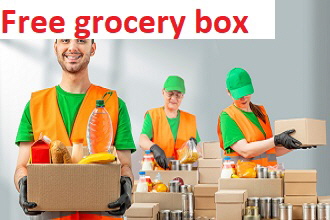
The Emergency Food Assistance Program: Each state will receive surplus food from the federal government. Your state will then work with local food banks and pantries, veteran organizations, churches, soup kitchens, charities, and non-profits in order to distribute the items to the needy. All of the support, including grocery stuff. provided as part of TEFAP is free. A focus is on feeding seniors, children, and individuals with disabilities. Continue with the Emergency Food Assistance program known as TEFAP.
Summer Food Service Program: This is a service that offers free groceries, meals, food and snacks to needy children during the months when school is not in session, such as summer or winter break. The program is funded by the U.S. Department of Agriculture (USDA) but is administered locally by churches, pantries, and non-profits such as the Salvation Army. So when a student can’t get a hot lunch or breakfast at their school, this program may be able to help. It is available in all states. Read more on Summer Food Service Program.
For more information about these or other free government food assistance programs contact your local county benefit office. The locations to try include department of social services, health centers, community clinics, agriculture, aging offices or school. Click here for state and non-profit financial help and to also find agencies and program names at the state level.
The USDA (United States Department of Agriculture) has a Food and Nutrition Service that administer many programs for low-income families and those in poverty. They help feed children, the disabled and elderly. There are discounts, free food programs, and other government assistance offered. Get a list of their resources from USDA.
Free non-profit grocery programs and charity food assistance programs
Salvation Army: This non-profit agency has locations in almost all states and counties across the nation. They provide a variety of free emergency groceries as well as food assistance programs to millions of individuals per year. Most branches run a free food bank, a soup kitchen (for the homeless and households with no money) and/or offer a pantry on site. Some also have soup kitchens for families living in poverty.
The Salvation Army can both provide free food, meals and groceries on its own, and they also partner with other local agencies. Some of them include food banks, government agencies, distribution centers, and charity organizations. Special holiday meals, groceries and food baskets may be offered too, including for Easter, Thanksgiving, and Christmas. Find a listing of Salvation Army locations by state. Find details on hunger prevention from the Salvation Army.
Non-profit Community Action Agencies: Every county is supported by one of these offices. The case management staff and volunteers at the community action agencies provide extensive information on resources that give out free groceries that are available to them. The specialists can often help qualified low income families apply for free food, meals, government commodities, and other assistance.
Contact a local center to learn about resources such as SNAP food stamps, the Women, Infants and Children program, and additional resources for groceries. Locate an office in your state, town, or county. Read about applying for help from community action agencies.
Food Banks from Feeding America network: This is the nation’s largest anti-hunger, non-profit organization. They partner directly with hundreds of local food banks, pantries and soup kitchens in all states. All the groups work together to give free food, groceries and nutritional items to the poor or homeless. Those locations, as well as the pantries, soup kitchens, and other organizations that are part of the network, provide the food and grocery items to the less fortunate. Find soup kitchens near you.
The local sites also participates in many other government programs and can offer referrals. For example, many of the Feeding America locations have applications for services such as SNAP food stamps, free home delivered meals for seniors and disabled, grocery store discount programs or coupons or the Commodity Supplemental Food Program. So both short and long term support is available. More details on assistance from Feeding America.
Churches provide food assistance: Many churches distribute free food, groceries, and meals to qualified individuals and families. They feed everyone from the homeless to unemployed. They can run their own food banks and pantries, or fund and partner with other agencies. Read more additional assistance programs offered by churches.
Groceries from charities: There are several national non-profit charity organizations that provide groceries, vegetables, fruits, and free food and nutritional assistance to those who need help. A focus is on families living under poverty guidelines and parents with children. Find more information on the charity food assistance programs.
Free pet food is available from pantries, food banks and other charity locations at the same time a bag of groceries is given out. Kibble or wet/canned cat or dog food is often given to senior citizens, the disabled, homeless and poor. The supplies will based on donation levels, and find a free pet food bank.
Free or discounted food box services
Home Delivered Meals: Seniors, disabled, the homebound, or elderly with no money can contact the Meals on Wheels program for free or low cost home delivered meals, groceries or boxes of food. It will usually be provided in the form of a noontime lunch. Charity organizations, agency on aging offices and senior centers across the country offer the program in most towns and cities.
- When possible, transportation assistance is also offered to help the senior get to a store. This delivery service may also be for the disabled who are qualified as homebound and who can’t make it to a food distribution center, grocery store or soup kitchen on their own. There are also free samples of food that can be sent in the mail which may benefit the homebound, and look here for free grocery and food samples.
Thousands of volunteers, food pantries and other local businesses donate their time and resources to help ensure the success of their local Meals on Wheels program. The participants will also check up on the health of the client as well as help them apply for government assistance programs, such as surplus commodity foods. Seniors and others who can’t make it out of their home, and who need some form of food delivered to them, should contact a non-profit in their area. Read more on Meals on Wheels.
Discounted groceries are offered too. There are non-profit as well as charity organization that offers nutritional and food assistance programs in all 50 states. While they do not provide free food, what they do is offer all people, no matter their income or financial situation, low cost groceries. The services they offer provide food at about 50% off the retail price, and it is available in unlimited quantities. Learn more on low cost grocery boxes.
Free groceries from pantries
Almost every town, city, and county has free emergency food banks, pantries, and grocery programs for low-income families. Many of the locations are volunteer run and depend on the generosity of donations from the community. There will be a wide variety of free groceries provides, perishable items, nutritional workshops and many more benefits. While some pantries provide groceries daily, many others have limited hours. Select your state below to find low cost or free groceries near you.
Alabama
Arizona
Arkansas
California
Colorado
Connecticut
Delaware
Florida
Georgia
Hawaii
Idaho
Illinois
Indiana
Iowa
Kansas
Kentucky
Louisiana
Maine
Maryland
Massachusetts
Michigan
Minnesota
Mississippi
Missouri
Montana
Nevada
New Hampshire
New Jersey
New Mexico
New York
North Carolina
North Dakota
Ohio
Oklahoma
Oregon
Pennsylvania
Rhode Island
South Carolina
Tennessee
Texas
Utah
Vermont
Virginia
Washington
West Virginia
Wisconsin
Additional grocery programs near you
There are additional resources out there as well. Not all free grocery, food, and basic needs are limited, as they do rely heavily on volunteers, donations, and limited government funding. However there may be additional support for the unemployed, seniors, children, and the working poor from food assistance programs near you..
Related Content From Needhelppayingbills.com
|

